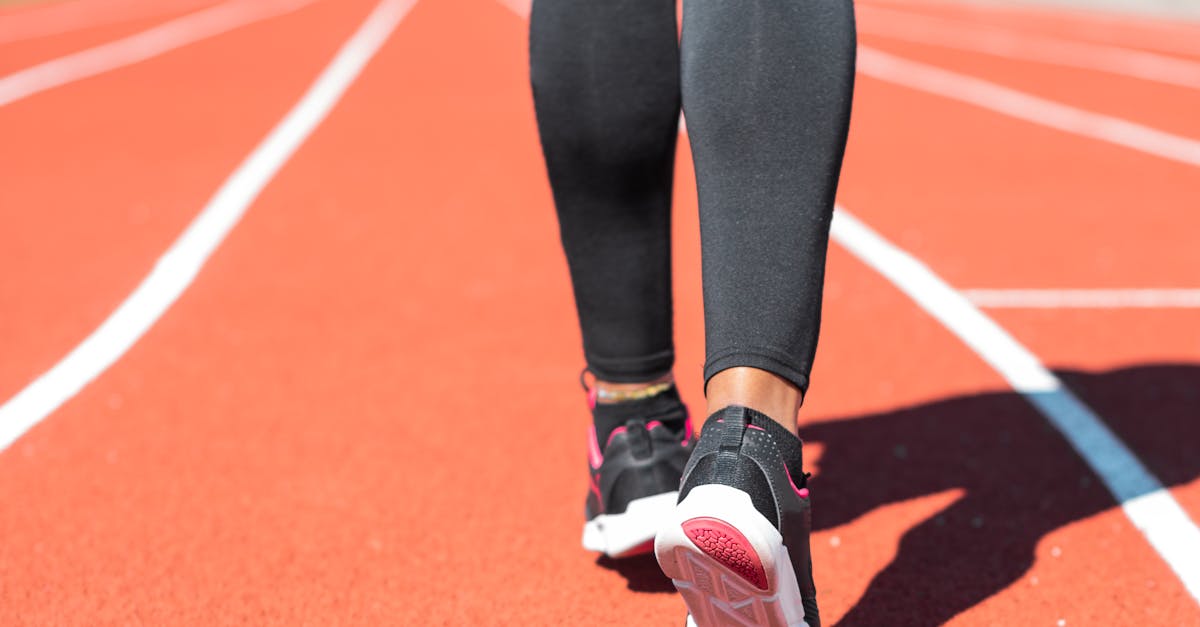
Achieving Your Personal Best: Orthotics as a Performance Tool
Table Of Contents
Integrating Orthotics into Your Training Regimen
The introduction of orthotics into a training routine should be approached with care and consideration. It is vital to assess individual needs, taking into account specific foot types and biomechanics. Consulting with a podiatrist or sports physiotherapist can provide valuable insights. Customisation may enhance comfort and performance. Training intensity and frequency should be monitored closely to ensure that adjustments to footwear do not lead to discomfort or injury.
Gradually increasing the use of orthotics allows the body to adapt to this change. Initial wear may be limited to a few hours each day, progressing to longer durations as comfort levels rise. It is essential to pay attention to body signals during this transition. Any persistent pain or discomfort should prompt a revisit to the specialist for reassessment. Ensuring proper alignment and support not only enhances performance but also contributes to overall athletic longevity.
Best Practices for Gradual Introduction
Incorporating orthotics into a training regimen requires a thoughtful, gradual process to ensure the best results. Athletes should begin by wearing their orthotics for short periods. This allows the body to adjust without overwhelming discomfort. Initially, using them during light activities can be beneficial, such as walking or light jogging. Over time, the duration can be increased as confidence grows.
Monitoring how the body responds to orthotics is crucial. Any signs of pain or discomfort should not be ignored. It's advisable to consult with a specialist, such as a podiatrist or physical therapist, if issues arise. Regular check-ins can help fine-tune adjustments, ensuring the orthotics provide maximum benefit without causing further complications. Adopting this cautious approach can lead to effective integration into daily training routines.
Common Misconceptions About Orthotics
Many individuals believe that orthotics are solely for those with serious foot problems or injuries. This misconception overlooks the benefits that custom orthotics can provide to anyone, from amateur athletes to seasoned professionals. They can enhance performance, reduce discomfort during activities, and aid in maintaining proper alignment. Understanding that orthotics are not just a crutch but a means to improve overall biomechanics is crucial for athletes looking to maximise their abilities.
Another common belief is that orthotics lead to dependency, forcing users to rely on them indefinitely. In reality, the goal of orthotic use is to provide support while allowing the body to adapt and strengthen over time. Many practitioners recommend a gradual transition, ensuring that users develop the necessary muscle strength. This process not only helps reduce reliance on orthotics but also enhances physical resilience and performance in the long run.
Debunking Myths for Better Understanding
Many athletes are hesitant to use orthotics due to prevalent myths that suggest these devices provide an unfair advantage or weaken the foot's natural strength. This perception can discourage individuals from exploring orthotic options, potentially missing out on significant performance enhancements. In reality, orthotics are designed to support the foot's structure and mitigate pain, enabling athletes to perform at their best rather than creating dependency.
Another common myth is that orthotics are only necessary for those with existing foot problems. This misconception can lead to a lack of awareness regarding the benefits for healthy individuals who are looking to improve their performance. Athletes often find that custom orthotics offer unique support, improving alignment and reducing fatigue during training sessions and competitions. By debunking these myths, a broader understanding of the role of orthotics can emerge, encouraging more athletes to consider their use as a valuable part of their training arsenal.
Real-Life Impact
Numerous athletes have experienced significant improvements in performance and comfort through the use of orthotics. One notable example is a runner who struggled with chronic shin splints and persistent discomfort during training. After engaging with a podiatrist and receiving custom orthotic inserts tailored to her specific foot structure, she noticed a dramatic reduction in pain levels. This allowed her to train more effectively, ultimately leading to her personal best during a major marathon event.
Another inspiring story comes from a professional football player who faced recurring ankle injuries. After incorporating orthotics designed to provide additional support and stability, he not only enhanced his on-field performance but also extended his career by reducing injury risk. These individual accounts highlight how orthotics serve as a valuable tool in optimising athletic potential while addressing pre-existing biomechanical issues.
Athletes Who Have Benefited from Orthotic Use
Numerous athletes across various sports have experienced significant performance improvements after integrating custom orthotics into their routines. These devices offer personalised support, addressing unique biomechanical issues that can hinder performance. For example, a marathon runner may find that proper arch support reduces fatigue in their feet, allowing for longer training sessions. Similarly, a soccer player may experience enhanced stability and agility as orthotics correct their gait, preventing injuries that could otherwise sideline them.
Success stories abound, showcasing how orthotics can be transformative. A professional triathlete reported a marked decrease in knee pain after using custom footbeds, enabling a more efficient cycling posture and ultimately improving race times. Additionally, several Olympic athletes credit their orthotic devices with prolonging their careers, allowing them to compete at high levels without succumbing to chronic injuries. Such examples highlight the potential of orthotics as a valuable tool in optimising athletic performance.
FAQS
What are orthotics and how do they work to improve performance?
Orthotics are custom-made or pre-fabricated shoe inserts designed to correct foot posture, provide support, and improve alignment. They help in distributing pressure evenly across the foot, reducing discomfort, and enhancing overall athletic performance.
How can I determine if I need orthotics for my training?
If you experience foot pain, discomfort, or any alignment issues during physical activity, it may be beneficial to consult a podiatrist or sports specialist. They can assess your foot mechanics and recommend whether orthotics could enhance your performance.
Are there specific best practices for introducing orthotics into my training regimen?
Yes, it’s essential to introduce orthotics gradually. Start by wearing them for short periods during low-intensity activities, then progressively increase usage as your body adapts. Listening to your body and allowing time for adjustment is key.
Can orthotics address issues beyond foot pain, such as knee or back problems?
Absolutely. By improving foot alignment and biomechanics, orthotics can also help alleviate stress on the knees, hips, and lower back, potentially reducing pain and enhancing overall function during activities.
What are some common misconceptions about using orthotics?
A prevalent misconception is that orthotics are only for people with severe foot problems. In reality, they can benefit anyone looking to improve their performance or prevent injuries, regardless of their level of athleticism.
Related Links
The Connection Between Orthotics and Enhanced Running EfficiencyFaster Feet: The Advantage of Using Running Orthotics for Speed
Running Faster with Confidence: Performance Benefits of Proper Orthotics
Maximising Speed through Tailored Running Orthotics Solutions
Speed and Stability: How Orthotics Improve Running Mechanics
The Science Behind Speed: Understanding Orthotics' Impact on Running
Unleashing Your Potential: Performance Gains from Custom Orthotics
Boosting Your Speed: How Running Orthotics Can Enhance Your Performance
The Role of Orthotics in Improving Race Times for Sydney Runners