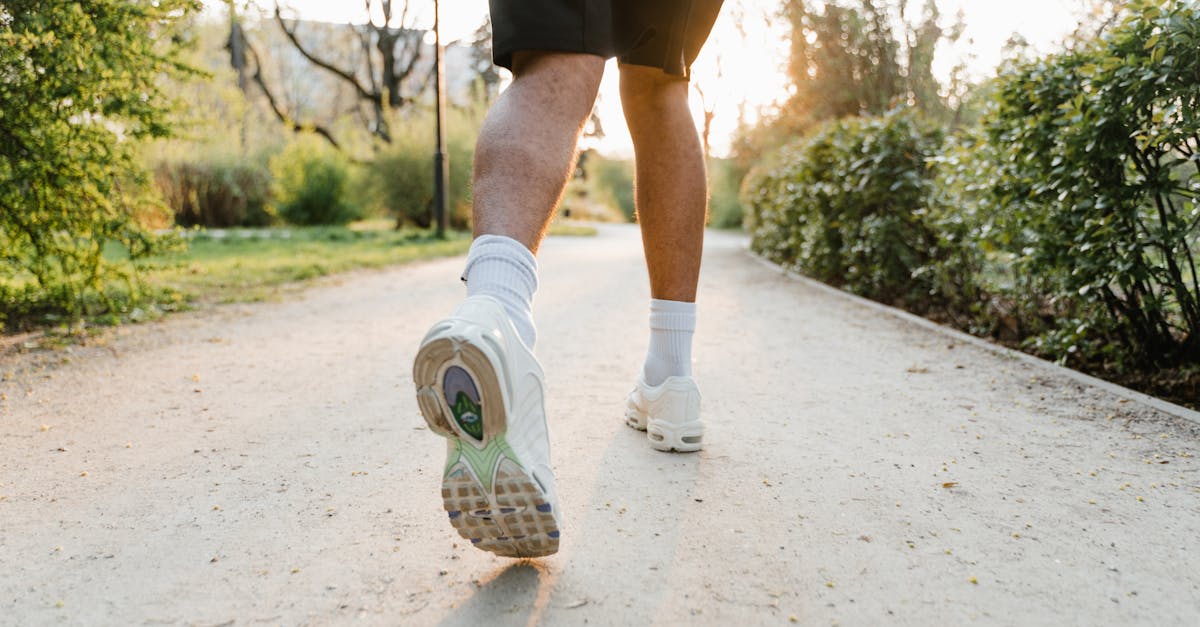
Improving Your Marathon Performance with the Right Orthotics
Table Of Contents
Fitting Orthotics into Your Marathon Training Plan
Incorporating orthotics into a marathon training regimen requires careful planning to ensure athletes adapt effectively. It's essential to begin by introducing orthotics during shorter, less intense runs. This gradual integration allows the foot and body to adjust to the new support structure without risking injury or discomfort. Athletes should monitor how they feel during and after these runs, paying close attention to any changes in their gait or overall comfort levels.
As runners become more accustomed to their orthotics, they can progressively use them during longer runs. It’s advisable to maintain flexibility in training plans, adjusting as necessary based on how well the runner adapts. Scheduling regular check-ins with a specialist can help fine-tune the fit of the orthotics and address any emerging issues. By strategically weaving orthotics into training, runners can enhance their performance while minimising the chances of injury.
Best Practices for Incorporating Orthotics
Incorporating orthotics into a marathon training regimen requires a thoughtful approach. Start by consulting a podiatrist or a physiotherapist to ensure that the selected orthotic aligns with your specific foot structure and running style. Gradually introduce orthotics to your routine. Begin with short, easy runs, allowing your body to adjust. This method helps to mitigate the risk of discomfort or injury during those early adaptations.
Monitoring how you feel during and after runs is essential for success. Pay attention to any changes in your gait, fatigue levels, or pain in your feet and legs. Adjust the fit or consider different types if discomfort persists. Consistency remains key; aiming to wear the orthotics regularly, even when not running, can enhance the adjustment process. Emphasise proper footwear that accommodates your orthotics for optimal performance and support.
Custom vs. Over-the-Counter Orthotics
When it comes to selecting orthotics, runners often face the dilemma of choosing between custom and over-the-counter options. Custom orthotics are tailored specifically to an individual’s foot shape, arch type, and running style. This personalised design can provide targeted support, alleviate pain, and correct biomechanical issues. However, the cost and time required for fitting and manufacturing these orthotics can be significant, which may deter some runners.
On the other hand, over-the-counter orthotics are more readily available and typically less expensive. They come in various shapes and sizes, designed to cater to a broader audience. While they can offer general support and cushioning, they may not address specific biomechanical problems as effectively as custom options. Athletes should weigh the pros and cons, considering their personal needs, budget, and the intensity of their training regimen before making a decision.
Evaluating the Pros and Cons of Each Option
Custom orthotics offer several advantages for runners seeking tailored support. They are designed specifically for an individual's foot structure and running style. This bespoke nature can effectively address specific issues such as overpronation or high arches. Many athletes find that these orthotics enhance comfort and reduce the risk of injuries by providing optimal alignment and stability.
On the other hand, over-the-counter orthotics present a more accessible and cost-effective option for many runners. These products can provide general arch support and cushioning, making them a viable choice for those with less severe foot issues. However, their one-size-fits-all approach may not cater to every runner’s unique biomechanics, potentially leading to discomfort or inadequate support in certain cases. Ultimately, the decision between custom and over-the-counter options depends on individual need and budget considerations.
The Impact of Orthotics on Running Mechanics
Orthotics play a significant role in enhancing running mechanics, especially in marathon runners. By providing tailored support to the feet, they help in correcting various biomechanical issues that may lead to inefficiencies or injuries. Proper alignment can lessen excessive pronation and supination, allowing for a more natural and efficient running gait. This can lead to improved energy transfer and overall performance during long-distance runs.
The influence of orthotics extends beyond mere comfort. They can assist in distributing pressure more evenly across the foot, which reduces the risk of common overuse injuries such as plantar fasciitis or shin splints. As runners become more aware of their foot strike patterns, the effectiveness of their strides can increase significantly. With this enhanced stability, athletes can maintain a consistent rhythm, ultimately translating into a better marathon experience.
How Orthotics Influence Your Gait
Orthotics play a significant role in shaping running mechanics. They provide additional support and stability to the foot, which can lead to improvements in overall alignment. This correction in posture can directly influence how your body distributes weight during each stride. When the feet are aligned properly, the impact forces that travel up the legs are often reduced, leading to a smoother gait and potentially decreasing the risk of injury.
Moreover, the use of orthotics can help to address specific biomechanical issues, such as overpronation or supination. For runners who experience discomfort or pain, these devices can promote an efficient movement pattern, allowing for an effective running style. With better alignment, runners may find that they can maintain a more consistent pace without unnecessary fatigue, enabling them to focus on their performance rather than their discomfort.
FAQS
What are orthotics, and how can they help marathon runners?
Orthotics are custom or over-the-counter shoe inserts designed to improve foot alignment, support arches, and enhance overall comfort. For marathon runners, they can help prevent injuries, improve running mechanics, and enhance performance by providing better support during long runs.
How do I know if I need orthotics for my marathon training?
If you experience pain or discomfort in your feet, ankles, knees, or hips while running, it may indicate that you could benefit from orthotics. Consulting with a podiatrist or sports physiotherapist can provide guidance on whether orthotics are right for you based on your specific foot structure and running style.
What are the differences between custom and over-the-counter orthotics?
Custom orthotics are tailored specifically to your foot shape and biomechanics, often made following a thorough assessment by a healthcare professional. Over-the-counter orthotics are pre-fabricated and available in various sizes and arch supports but may not provide the same level of personalised support or fit.
How should I incorporate orthotics into my marathon training plan?
Start by gradually introducing orthotics into your training regime. Begin by wearing them for short runs and progressively increase the duration as your body adapts. It’s essential to listen to your body and consult with a professional if you experience any discomfort during this transition.
Can orthotics change my running mechanics?
Yes, orthotics can influence your gait by providing better support and alignment to your feet, potentially leading to more efficient running mechanics. However, it's crucial to ensure that the orthotics are appropriate for your specific needs to prevent any negative impact on your running form.
Related Links
How Custom Orthotics Contribute to Better Endurance in RunnersOptimising Your Running Routine with Enhanced Endurance Through Orthotics
Enhancing Aerobic Capacity with the Use of Running Orthotics
The Science Behind Orthotics and Their Effect on Stamina
Exploring the Connection Between Orthotics and Increased Running Capacity
The Impact of Proper Foot Support on Running Performance Over Time
Benefits of Orthotics for Runners Looking to Improve Stamina
Understanding the Role of Orthotics in Enhancing Running Endurance