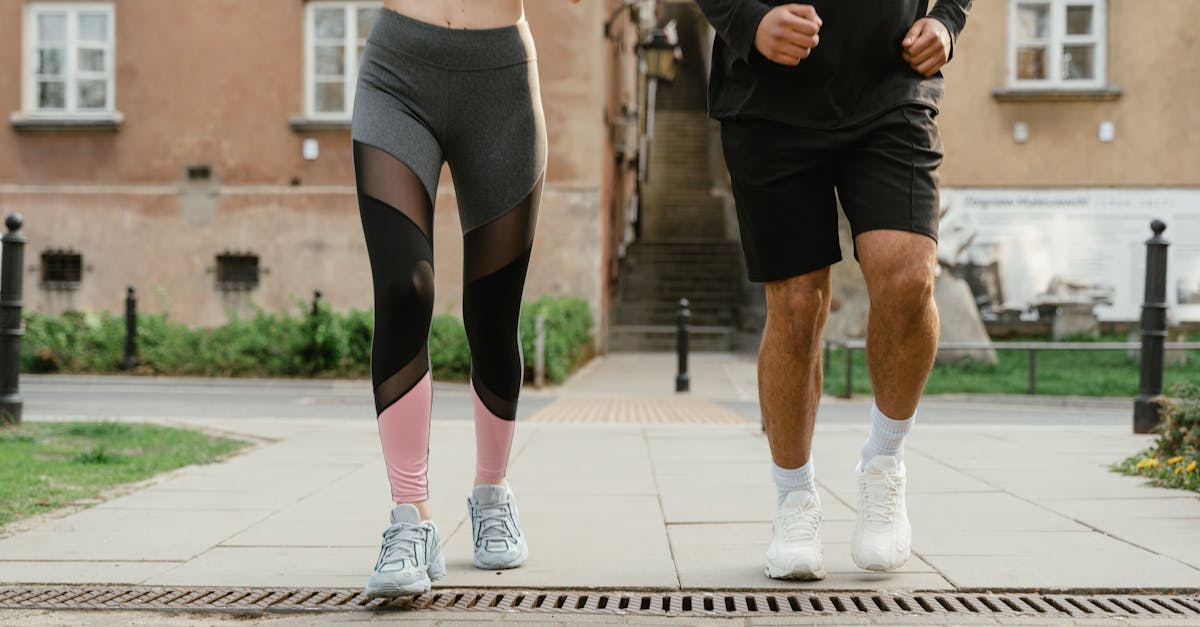
The Role of Gait Analysis in Custom Orthotics Design
Table Of Contents
The Custom Orthotics Design Process
Creating custom orthotics begins with a comprehensive assessment of the patient's foot mechanics and overall gait patterns. Clinicians often employ a combination of physical examinations and advanced gait analysis technology to gather relevant data. This initial evaluation not only highlights any abnormalities but also identifies specific needs and requirements for optimal support. Tailoring the design to the individual is crucial, as each patient's anatomy and lifestyle differ significantly.
After the assessment, the next phase involves mapping the foot’s contours, usually through 3D scanning or foam casting. This information guides the creation of orthotics that conform precisely to the contours of the foot. Material selection follows, where factors such as rigidity, cushioning, and breathability are considered, ensuring that the finished product provides both comfort and durability. Continuous feedback is essential throughout this process to refine designs and make necessary adjustments, resulting in a highly personalised orthotic solution.
Steps to Create Effective Orthotic Devices
The first step in creating effective orthotic devices involves comprehensive assessments of the patient's foot mechanics and gait patterns. Health professionals conduct a thorough examination, often involving video analysis and pressure mapping, to capture the nuances of how an individual walks or runs. This analysis informs the design process, ensuring that the orthotic device addresses specific alignment issues and movement deficiencies.
Once the data is collected, a custom mould of the patient's foot is typically taken. This can be done through 3D scanning technology or traditional casting methods. The orthotics are then constructed using materials that best suit the patient’s activity level and lifestyle, ranging from flexible to rigid components. Each device is tailored to provide adequate support while ensuring comfort to enhance the patient’s overall mobility.
Role of Technology in Gait Analysis
Gait analysis has evolved significantly with advancements in technology, enhancing the way practitioners assess and understand human movement. High-speed cameras and motion capture systems provide precise measurements of gait parameters, allowing for an in-depth look at walking patterns. These tools help identify abnormalities in stride length, speed, and joint angles, providing crucial data for creating tailored orthotic solutions.
Wearable sensors, such as accelerometers and gyroscopes, have further revolutionised gait analysis, offering real-time monitoring of movement. These devices can be integrated into everyday footwear, collecting data during regular activities. This continuous feedback enables more accurate assessments of a patient's gait over time, leading to improved outcomes in orthotic design and treatment efficacy.
Advancements in Digital Tools
The landscape of gait analysis has been significantly transformed by recent technological advancements. Wearable devices equipped with sensors now provide real-time data on an individual’s movement patterns. These sensors are not only compact but also capable of capturing a range of metrics, including stride length and speed. This data is invaluable for clinicians, allowing for a more comprehensive evaluation of a patient’s gait in various environments, whether on a treadmill or during daily activities.
Improved software tools have also revolutionised the analysis process. Advanced algorithms can analyse data with remarkable precision, allowing for the identification of subtle deviations in movement that may indicate underlying issues. Visualisation techniques present this data in an easily interpretable format, facilitating better communication between practitioners and patients. As a result, the integration of these digital tools into the gait analysis process has enhanced the overall efficacy of custom orthotics design.
Conditions Treated with Custom Orthotics
Custom orthotics play a significant role in addressing a variety of musculoskeletal conditions. Flat feet, also known as pes planus, often lead to discomfort and altered gait patterns. Tailored orthotic devices provide the necessary arch support, redistributing weight and alleviating tension on the associated muscles and ligaments. Furthermore, conditions such as plantar fasciitis can see considerable improvement through the use of orthotics designed to cushion the heel and support foot mechanics during movement.
Patients suffering from diabetes-related foot issues can particularly benefit from custom orthotics that mitigate pressure points and reduce the risk of ulcers. This proactive approach prevents complications arising from neuropathy and promotes healthier foot function. Additionally, those with arthritis in the knees or hips may find relief from joint pain through orthotic devices that enhance alignment and provide stability during activity. Custom designs ensure that individual anatomical needs are met, leading to better outcomes for various conditions.
How Orthotics Alleviate Pain
Custom orthotics are designed to provide targeted support and cushioning, addressing specific biomechanical issues that contribute to discomfort. By redistributing weight and stabilising the foot, these devices can alleviate pressure on sensitive areas. This is particularly essential for individuals with conditions such as plantar fasciitis or arthritis, where pain can significantly impact daily activities. Effective orthotics can enhance overall foot function, leading to improved gait and reduced strain throughout the entire musculoskeletal system.
Furthermore, the correction of improper alignment plays a crucial role in pain management. Custom orthotics can guide the foot into a more natural position, reducing compensatory movements that often lead to joint or lower back pain. As the body aligns more effectively, mobility improves and discomfort diminishes. Many users report significant relief after implementing these supportive devices, ultimately contributing to a higher quality of life and greater physical activity levels.
FAQS
What is gait analysis and how does it relate to custom orthotics?
Gait analysis is the study of human walking patterns, which helps professionals identify any abnormalities in movement. This analysis is crucial for custom orthotics design, as it ensures that the orthotics are tailored to address specific biomechanical issues, providing better support and comfort.
What are the main steps involved in the custom orthotics design process?
The main steps in the custom orthotics design process include assessing the patient's needs, conducting a thorough gait analysis, selecting appropriate materials, creating a customised mould, and testing the orthotics for fit and function before final adjustments are made.
How have advancements in technology improved gait analysis?
Advancements in technology, such as 3D scanning, pressure mapping, and motion capture systems, have significantly improved gait analysis. These digital tools allow for a more precise assessment of an individual's movement patterns, leading to more accurate and effective custom orthotic designs.
What types of conditions can benefit from custom orthotics?
Custom orthotics can benefit a variety of conditions, including flat feet, plantar fasciitis, arthritis, tendonitis, and various forms of foot and ankle pain. They can also assist individuals with diabetic foot ulcers and other related complications.
How do custom orthotics alleviate pain?
Custom orthotics alleviate pain by providing targeted support, correcting biomechanical imbalances, and redistributing pressure across the foot. This can help reduce strain on muscles and joints, ultimately leading to improved comfort and decreased pain during movement.
Related Links
Comparing Custom-Made Orthotics with Over-the-Counter OptionsUnderstanding the Materials Used in Custom-Made Running Orthotics
How Custom-Made Orthotics Aid in Recovery from Running Injuries
Custom-Made Orthotics: A Solution for Flat Feet and High Arches
Success Stories: Runners Who Thrived with Custom Orthotics
Personalised Fit: The Key Advantage of Custom Running Orthotics
How Custom Orthotics Can Address Individual Foot Conditions