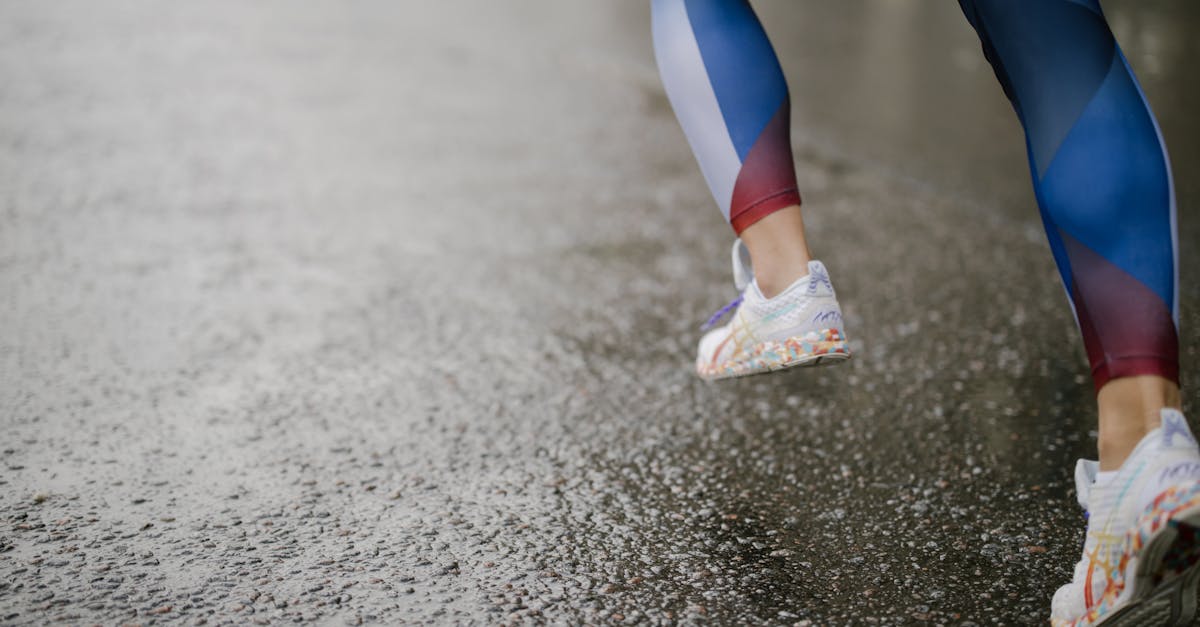
Tailored Sports-Specific Running Orthotics for Enhanced Athletic Performance
Table Of Contents
The Process of Getting Tailored Orthotics
The journey to obtaining tailored orthotics begins with a thorough assessment by a qualified specialist. This involves a comprehensive evaluation of the athlete's foot structure, gait, and any existing injury history. By understanding these factors, the practitioner can determine the specific needs of the athlete. Advanced technology, such as 3D scanning or pressure mapping, may be utilised to capture precise anatomical details. This information serves as the foundation for creating orthotics that will optimally support the foot during demanding sports activities.
Following the assessment, a customised design is developed based on the collected data. The materials used in the orthotics are selected for durability and performance based on the sport's requirements. After fabrication, the athlete will usually undergo a fitting session to ensure comfort and correct alignment. Continuous follow-up appointments enable further adjustments, ensuring that the orthotics function effectively as the athlete progresses in their training or competition.
Step-by-Step Guide to Custom Fitting
The journey towards achieving optimal comfort and performance begins with an initial assessment by a trained professional. This step involves a comprehensive evaluation of the athlete's foot structure and biomechanics. Various factors, such as arch height, foot width, and gait analysis, are taken into account. This information allows for a personalised orthotic design that addresses specific needs and goals, ensuring that the final product caters to the demands of the sport.
Once the assessment is complete, the next phase focuses on creating a mould of the athlete's foot. This can be accomplished through different methods, including foam impressions or 3D scanning. Each technique captures unique features of the foot, ensuring the orthotic is tailored to achieve proper alignment and support. After the moulding process, adjustments can be made based on further feedback, ultimately resulting in a final product that enhances performance while promoting injury prevention.
Integrating Orthotics into Your Training Regimen
Incorporating custom orthotics into a training routine requires a strategic approach to ensure optimal performance enhancement. Athletes should gradually introduce the orthotics during training sessions, allowing their feet and body to adapt. Start with shorter workouts or low-intensity sessions, monitoring how the body reacts before progressing to longer, more intense activities. This gradual integration helps to prevent injuries associated with sudden changes in biomechanics.
As athletes adjust to their new orthotics, monitoring overall comfort and performance becomes essential. Tracking improvements in efficiency and any signs of discomfort can provide valuable insights into how well the orthotics are serving their purpose. Athletes may also benefit from communicating with their coaches or trainers, who can help tailor workout regimens specifically to accommodate the orthotics. This collaborative approach enhances the overall effectiveness of the orthotics while supporting an athlete's training goals.
Adapting Workouts for Optimal Results
Successfully integrating tailored orthotics into your training involves a careful approach to your existing workout regime. Athletes should gradually incorporate these custom insoles, allowing the body to adjust to new alignment and support. Start with lower intensity sessions before progressing to higher intensity workouts. Listening to your body during this transition is essential. Monitor changes in comfort and performance, making necessary adjustments to pacing and volume.
Altering specific aspects of training can lead to optimal results when using sports-specific orthotics. Focus on strengthening exercises that enhance the musculoskeletal system. Target areas such as the hip, core and calf muscles can improve overall stability and running form. Additionally, adjusting running routes to include varied terrains may aid in adapting to the new orthotic setup. Consistency in training with these modifications can facilitate greater performance improvements over time.
Evidence Supporting the Use of Sports-Specific Orthotics
Numerous recent studies have shed light on the specific benefits of sports-specific orthotics for athletes. Research indicates that these custom-made insoles can improve alignment, enhance comfort, and reduce the risk of injury during high-impact activities. For instance, a study published in a leading sports medicine journal demonstrated that runners wearing tailored orthotics experienced a significant decrease in the occurrence of common overuse injuries compared to those using standard insoles. This evidence underlines the importance of individual assessment and customised support for optimal athletic performance.
In addition to injury prevention, advancements in technology have facilitated new insights into the biomechanical effects of orthotics on athletic performance. Gait analysis research has shown that specific designs can influence running efficiency, potentially leading to improved speed and endurance. By providing targeted support and cushioning in key areas, sports-specific orthotics not only help athletes optimise their training but also enhance overall performance during competitions. Such findings endorse the growing trend of integrating tailored orthotics into sporting practices.
Recent Studies and Findings
Recent research has demonstrated that tailored sports-specific orthotics can significantly enhance performance metrics in various athletic disciplines. A study conducted by the Journal of Sports Sciences revealed that runners who utilised customised orthotics showed a marked improvement in both speed and stability compared to those wearing standard models. These athletes reported experiencing fewer injuries and less discomfort, indicating a clear correlation between custom orthotic use and improved overall athletic fulfilment.
Another significant investigation published in the American Journal of Sports Medicine found that sports-specific orthotics may also play a crucial role in preventing injuries. The longitudinal study tracked a group of competitive runners over an extended period, focusing on injury rates and recovery times. Data indicated that athletes using tailored orthotics had lower occurrences of common running injuries such as plantar fasciitis and shin splints. These findings suggest that the integration of personalised orthotics into training regimens could greatly benefit athletes by both enhancing performance and minimising the risk of injury.
FAQS
What are tailored sports-specific running orthotics?
Tailored sports-specific running orthotics are custom-made insoles designed to provide support, alignment, and cushioning specifically for runners, aiming to enhance athletic performance and prevent injuries.
How do I get fitted for custom orthotics?
The process typically involves a consultation with a specialist who assesses your foot structure, running style, and any existing issues. This may include gait analysis and a physical examination to create a personalised orthotic solution.
Can I integrate orthotics into my existing training regimen?
Yes, orthotics can be seamlessly integrated into your training. It’s advisable to gradually introduce them into your workouts, adjusting your routine as needed to ensure optimal comfort and performance.
What kind of evidence supports the use of sports-specific orthotics?
Recent studies have shown that sports-specific orthotics can reduce the risk of injury, improve running efficiency, and enhance overall performance by providing better foot alignment and support during athletic activities.
How long do custom orthotics typically last?
The lifespan of custom orthotics can vary based on usage and activity levels but generally lasts from one to three years. Regular assessments are recommended to ensure they remain effective and comfortable.
Related Links
The Role of Sports-Specific Running Orthotics in Different DisciplinesInnovations in Sports-Specific Running Orthotics Technology
The Impact of Sports-Specific Running Orthotics on Recovery Times
Case Studies: Success Stories with Sports-Specific Running Orthotics
Understanding the Fit of Sports-Specific Running Orthotics
The Science Behind Sports-Specific Running Orthotics Design
Common Sports Injuries Addressed by Sports-Specific Running Orthotics
Choosing the Right Sports-Specific Running Orthotics for Your Needs
How Sports-Specific Running Orthotics can Improve Your Game