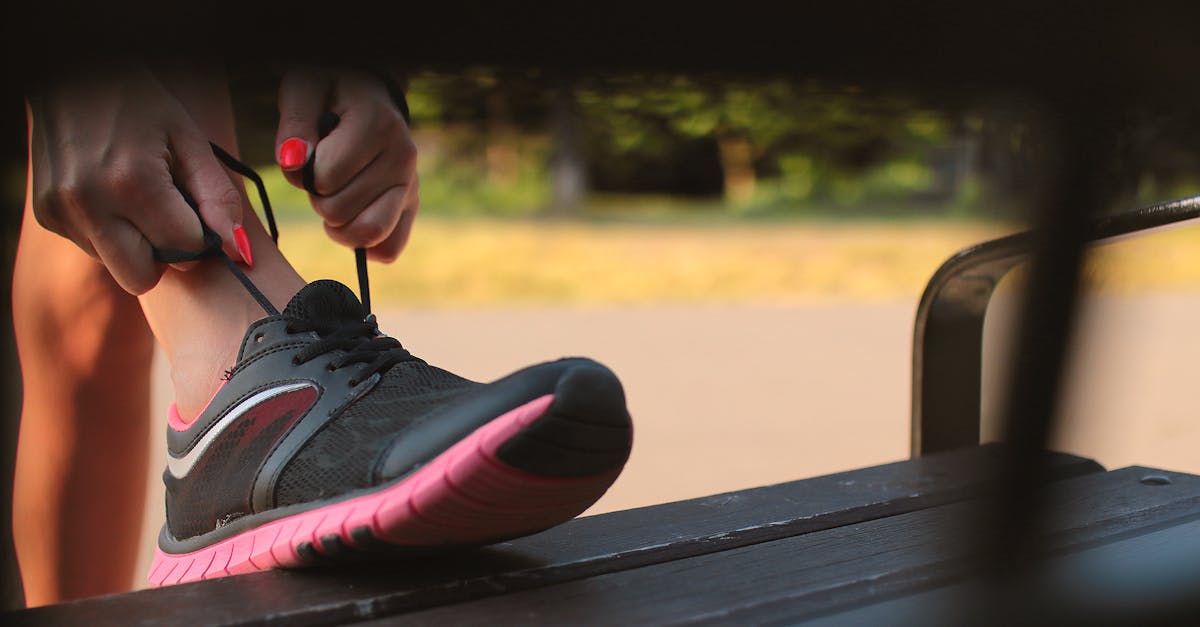
Understanding the Fit of Sports-Specific Running Orthotics
Table Of Contents
Materials Used in Orthotics
Orthotics come in various materials, each chosen for its unique properties and suitability for different running styles. Gel is often utilised for its shock-absorbing capabilities, providing added comfort during impact. Foam materials offer flexibility and cushioning, adapting to the foot's shape for personalised support. In contrast, plastic orthotics are more rigid and can provide enhanced stability, making them a preferred choice for specific foot issues.
The choice of material also influences the weight and breathability of the orthotic. Lightweight options can enhance performance by reducing fatigue over long distances. Breathable fabrics are essential for temperature regulation and moisture management, promoting overall foot health. Understanding these materials helps runners select the right orthotic to meet their individual needs and running habits.
Comparing Gel, Foam, and Plastic Options
When choosing the right orthotic material for sports-specific running, gel, foam, and plastic options each present unique advantages. Gel-based orthotics are well-known for their shock-absorbing properties, making them ideal for runners seeking extra cushioning. They offer a high level of comfort and can effectively reduce impact stress during long runs.
Foam orthotics provide lightweight support, adapting to the foot's shape over time. This custom fit can enhance stability while still offering sufficient padding. Plastic orthotics are typically more rigid, offering strong support for overpronation or flat feet. They help maintain foot alignment, which can be beneficial for serious runners who require a solid foundation during training.
Benefits of Wearing Orthotics While Running
Athletes often experience variations in their foot biomechanics, which can affect their performance and comfort during running. Custom or sports-specific orthotics can help correct these imbalances by providing the necessary arch support and enhancing foot stability. These devices are designed to improve alignment, which can lead to a more efficient running gait. A more efficient stride not only elevates performance but also reduces the energy expenditure required for longer distances.
The benefits extend beyond just performance enhancement. Many runners find that wearing orthotics significantly reduces their risk of common injuries, such as plantar fasciitis and shin splints. By redistributing pressure across the foot, orthotics can alleviate pain and discomfort, allowing athletes to train comfortably for extended periods. This adaptability makes orthotics an invaluable tool in an athlete's kit, promoting both recovery and consistent participation in their sport.
Injury Prevention and Long-Distance Comfort
Wearing sports-specific running orthotics can significantly reduce the risk of injuries, particularly for runners who engage in long-distance training. These devices provide essential support, helping to maintain proper alignment of the feet and lower extremities. By absorbing shock and distributing pressure more evenly, orthotics can prevent common issues such as plantar fasciitis, shin splints and knee pain, which are often aggravated by repetitive impact during extended runs.
Moreover, comfort becomes paramount during long runs, where the risk of blisters and fatigue increases. The right orthotics not only cushion the foot but also enhance stability, allowing runners to maintain their stride without unnecessary discomfort. This ergonomic support enables athletes to focus on their performance, resulting in improved endurance and overall enjoyment of the running experience.
The Fitting Process
Finding the right fit for sports-specific running orthotics is crucial to enhance performance and minimise discomfort. The process often begins with a consultation to assess foot structure and gait. Measurements are typically taken using a combination of physical assessments and advanced technology, ensuring a precise understanding of an individual's unique foot shape. Customisation is based on these analyses, allowing for orthotics that meet specific needs and preferences.
Once the orthotics are crafted, a fitting session follows to evaluate comfort and alignment within the running shoe. Adjustments may be necessary to refine the fit, addressing any pressure points or areas of discomfort. Wearing the orthotics during a short run can further assist in assessing their performance. This hands-on approach allows runners to make informed decisions about any modifications needed for optimal support and functionality.
Steps to Ensure Optimal Fit
Achieving an optimal fit for running orthotics begins with a thorough assessment of the individual’s foot structure and biomechanics. A qualified professional should conduct a gait analysis, which examines foot motion during running. Customised measurements, including arch height and foot length, play a crucial role in ensuring the orthotics address specific needs.
Once the orthotics are ready, trying them on inside the intended running shoes is essential. It is important to wear them for short periods initially, allowing the feet to adapt gradually. Comfort should be assessed during this trial, with attention paid to any pressure points or discomfort. Regularly checking the fit over time is vital, especially after extended use or if changes in foot shape occur due to injury or other factors.
FAQS
What are sports-specific running orthotics?
Sports-specific running orthotics are customised inserts designed to provide support and enhance the fit of running shoes, tailored to meet the unique needs of runners based on their foot structure and running style.
What materials are commonly used in sports orthotics?
Common materials used in sports orthotics include gel, foam, and plastic, each offering different levels of cushioning, support, and durability to cater to various running needs and preferences.
How do gel, foam, and plastic orthotics differ in terms of comfort?
Gel orthotics provide excellent shock absorption, foam offers a lightweight and cushioned feel, while plastic orthotics deliver more rigid support. The choice depends on individual comfort preferences and specific running requirements.
Can wearing orthotics help prevent running injuries?
Yes, wearing orthotics can help prevent running injuries by providing proper arch support, improving alignment, and absorbing impact, thereby reducing strain on muscles, ligaments, and joints while running.
What steps are involved in the fitting process for orthotics?
The fitting process generally involves an assessment of foot structure, gait analysis, and possibly the creation of a custom mould or template to ensure the orthotics are tailored for the best fit and support for the runner's needs.
Related Links
Case Studies: Success Stories with Sports-Specific Running OrthoticsThe Science Behind Sports-Specific Running Orthotics Design
Innovations in Sports-Specific Running Orthotics Technology
The Impact of Sports-Specific Running Orthotics on Recovery Times
Common Sports Injuries Addressed by Sports-Specific Running Orthotics
Choosing the Right Sports-Specific Running Orthotics for Your Needs
How Sports-Specific Running Orthotics can Improve Your Game
The Role of Sports-Specific Running Orthotics in Different Disciplines
Tailored Sports-Specific Running Orthotics for Enhanced Athletic Performance